Forget the Highlight Reel: The Unglamorous Work That Actually Makes You Good
Here's something nobody tells you when you're starting out as a creator: the finished thing is almost the least interesting part of the whole process.
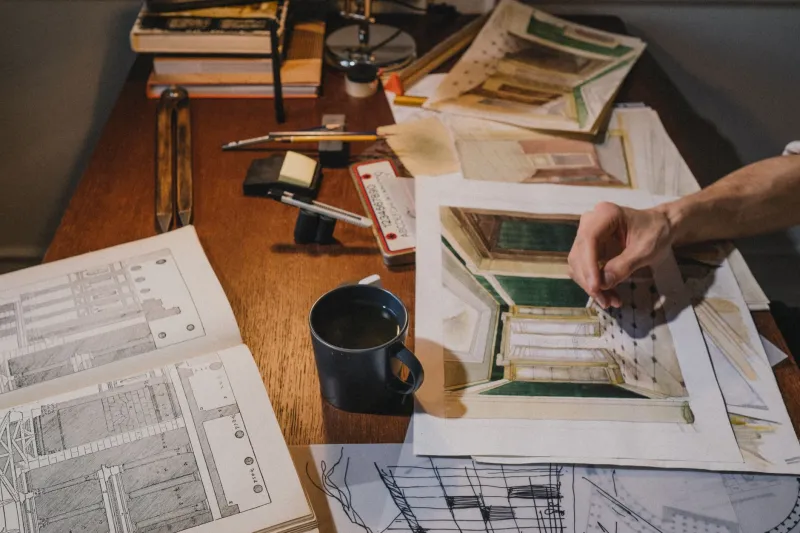
I know. That sounds backwards. The finished piece is what people see, what they share, what they judge. It's the thing you put your name on. But spend enough time doing creative work — really doing it, not just talking about doing it — and you start to realize that the magic isn't in the output. It's buried somewhere in the messy, repetitive, deeply unsexy work that happens long before anything looks good enough to show anyone.
And yet, almost nobody talks about that part.
The Myth of the Inspired Moment
We love the story of the lightning bolt. The writer who woke up at 3 a.m. with the perfect idea. The filmmaker who shot a scene on a whim and it turned out to be the best thing in the movie. The designer who sketched something on a napkin and it became an iconic logo. These stories are fun to tell, and occasionally they're even true.
But they're the exception, not the template.
For every creative breakthrough that looks spontaneous from the outside, there are usually hundreds of hours of quiet, unremarkable preparation that made it possible. The writer who "just knew" the right words had probably written the wrong words thousands of times before. The filmmaker's instinct was sharpened by years of studying other people's frames. The designer's napkin sketch came from a brain that had absorbed decades of visual information.
Inspiration doesn't appear out of nowhere. It shows up when you've done enough of the boring work to recognize it.
What the Boring Work Actually Looks Like
Let's get specific, because "the process matters" is the kind of thing that sounds meaningful but can stay pretty vague if you let it.
The boring work looks like research that goes nowhere. You spend four hours reading about something, taking notes, thinking it's going to be the foundation of a project — and then you don't use any of it. Except you kind of do, because your brain absorbed it and it shaped how you think about the problem, even if nothing made it into the final cut.
It looks like false starts. The first version of almost anything is bad. The second version is usually bad in a different way. You write a lead paragraph, delete it, write another one, hate that one too, and eventually — on the fourth or fifth try — something starts to feel right. That's not failure. That's the work.
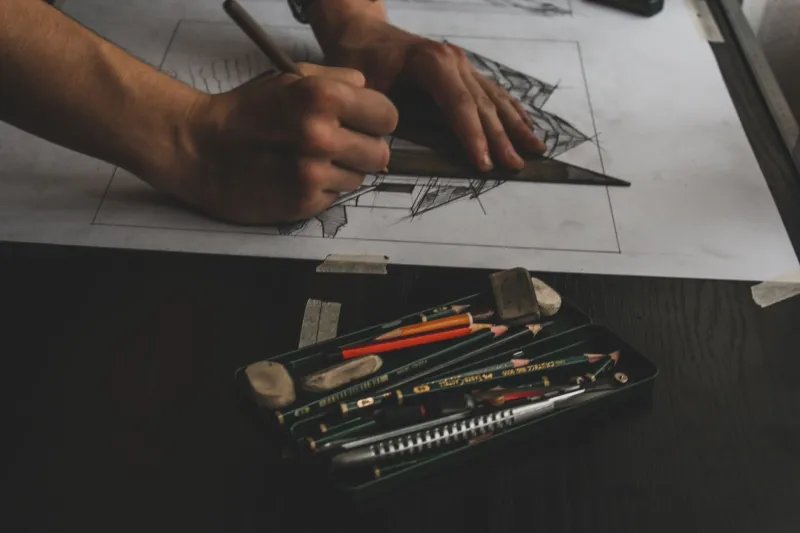
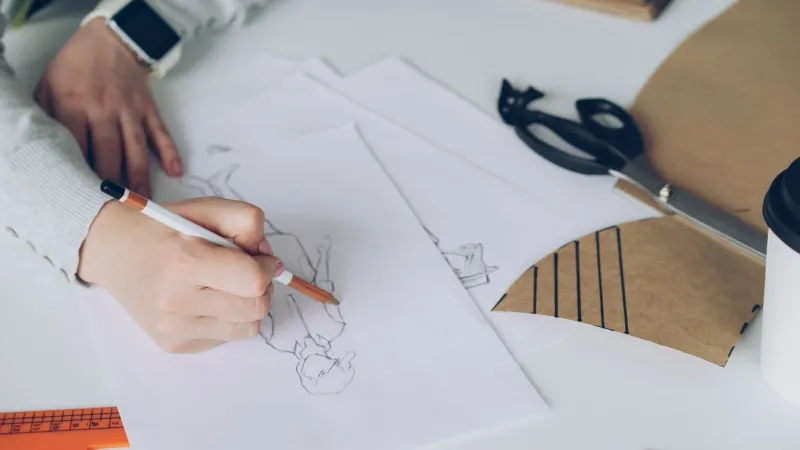
It looks like repetitive practice that doesn't feel productive. Showing up every day to write, sketch, shoot, or build even when nothing you make is good enough to keep. Especially then. The reps matter whether or not the output is worth saving.
It looks like sitting with confusion longer than is comfortable. Not Googling the answer immediately. Not asking someone else to solve it. Just staying in the discomfort of not knowing until your brain figures out a way through.
None of this is Instagram-worthy. All of it is essential.
Why Serious Creators Embrace the Grind
There's a real difference between people who make creative work a hobby and people who make it a practice — and it's not talent. It's tolerance for the unremarkable middle.
Hobbyists tend to work when they feel inspired. Which is fine! That's a totally valid way to engage with creative work. But if you want to grow, if you want your skills to compound over time, you have to show up when you don't feel like it. When the idea isn't coming. When the draft is rough. When the project is in that terrible middle stage where it's too developed to abandon but not developed enough to be proud of.
Professional creators — whether that means you're making a living at it or just treating it with professional seriousness — learn to make peace with that middle space. They develop systems and routines that don't depend on motivation. They treat the process like a job, not a mood.
This isn't about grinding yourself into exhaustion. It's about building a relationship with the work that doesn't require you to feel inspired to show up.
The Process Is Where Your Voice Lives
Here's the thing that took me a while to understand: your creative process isn't just how you make things. It's where your perspective gets developed.
The choices you make along the way — what you research, what you cut, what you try that doesn't work, what you return to — all of that shapes the final piece in ways that can't be replicated by someone else following the same steps. Two people can start with the exact same brief and end up with completely different results, not because one is more talented, but because their processes diverge in a hundred small ways.
That's where your voice comes from. Not from some innate creative gift you either have or you don't, but from the accumulated weight of all the decisions you make inside the process, over time.
When you skip the process — when you chase shortcuts, rely on templates, or only work when inspiration strikes — you're not just making slower progress. You're actually cutting yourself off from the very thing that makes your work distinctly yours.
Start Valuing What You Can't Post
I'm not saying you need to document every failed draft or share every research rabbit hole you go down. That's not the point. The point is to stop mentally discounting the work that doesn't produce a shareable output.
That afternoon you spent reworking a paragraph nobody will ever read? That mattered. The experiment that flopped completely? That mattered. The hour you spent reading something only tangentially related to your project, just because it interested you? That absolutely mattered.
The creative work that happens behind closed doors is the foundation everything visible is built on. Start treating it that way — in how you talk about your work, in how you schedule your time, in how you measure your own progress.
Because the finished product is just the surface. Underneath it is everything you actually learned how to do.
And that's the stuff worth protecting.